A Walk You Can Take Before Lunch
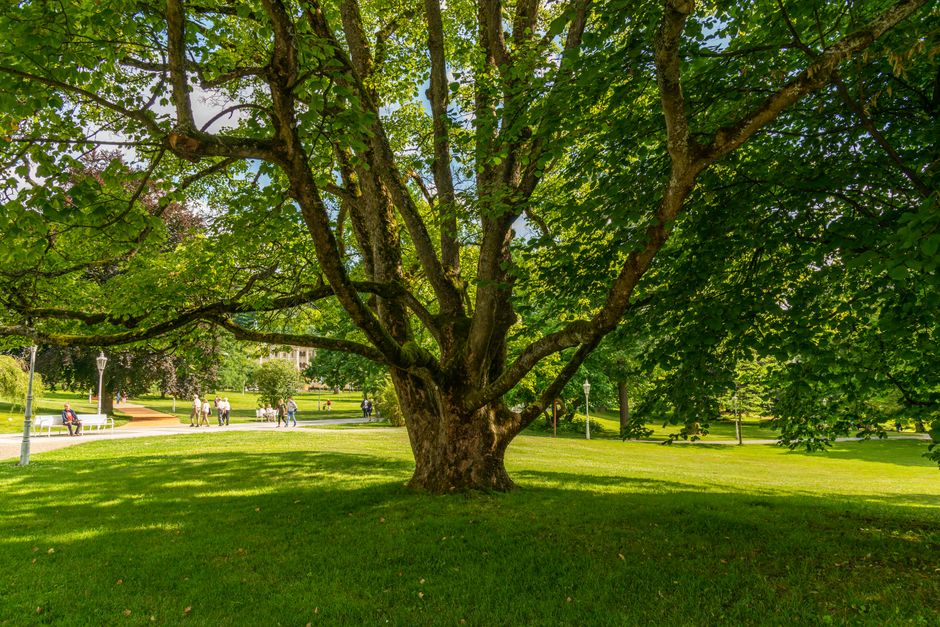
You step off Sandy Lake Road and the city noise drops almost immediately. The trail underfoot is packed earth, not concrete. Cottonwoods press in on either side, and if you time it early enough on a summer morning, the temperature under the canopy runs a few degrees cooler than the parking lot you just left. This is the Elm Fork Nature Preserve at 2335 Sandy Lake Rd, and it sits squarely inside a city of more than 140,000 people.
That contrast is what makes the place worth talking about. Carrollton is a dense inner suburb, largely built out, woven through with highways and subdivisions. Finding a stretch of unpaved, unhurried land here is not a given. The preserve offers it anyway.
What the Trails Actually Offer
The main loop runs about a mile — short enough for families with young children, long enough to feel like a real outing rather than a lap around a parking lot. The terrain stays easy throughout; there are no technical climbs or scrambles. The ground is natural and uneven in places, so a decent pair of sneakers matters more than hiking boots, but you do not need anything specialized.
The draw is the setting itself: riparian bottomland vegetation, birds that follow the Elm Fork of the Trinity River corridor, and enough tree cover to make a midsummer walk tolerable before the afternoon heat takes hold. Regulars tend to arrive early, loop through, and be back at their cars well before noon.
Because the preserve sits inside the city, it functions as something closer to a neighborhood green space than a destination park. Residents near the Sandy Lake Road corridor use it the way people in other cities use a community path — frequently, casually, without much ceremony.
The Nature Center Is Coming Back Different
The preserve’s Nature Center has been closed through a master-plan renovation, and the city has been asking residents to watch its Facebook, Instagram, and website for updates on the reopening timeline. The closure has been the main caveat for visitors this spring and early summer; the trails themselves have remained accessible, but the interpretive and educational programming tied to the center has been on pause.
The renovation is worth tracking because the Nature Center is what transforms the preserve from a pleasant trail into a genuine learning environment. For school groups, for families with curious kids, for adults who want context about the Elm Fork watershed and its ecology, the building provides a foundation that the trail alone cannot. When it reopens, it will presumably reflect a more current vision of what a nature center in a suburban city should do.
The city has not announced a specific reopening date as of the end of June 2026, so checking the city’s parks and recreation pages directly remains the most reliable way to stay current.
Why It Matters for a Built-Out Suburb
Carrollton does not have the luxury of sprawling undeveloped acreage on its edges. The city’s growth happened decades ago, and what green space exists now was largely set aside intentionally. The Elm Fork Nature Preserve represents that kind of deliberate choice — land held back from development and maintained as a functioning natural area rather than mowed into a conventional park.
That makes the ongoing renovation investment significant. A city that spends money on a master-plan update for a nature center is signaling that it intends to keep the preserve a serious resource, not let it quietly decline. For residents who live nearby, that is a concrete commitment to the character of that part of the city.
For families spending a summer in Carrollton and looking for something that is not a screen, not a shopping center, and not another air-conditioned venue, the preserve off Sandy Lake Road is a straightforward answer. The loop is short. The shade is real. The city is still right there when you come back out, but for an hour it does not feel that way.