Where the City Meets the Wild
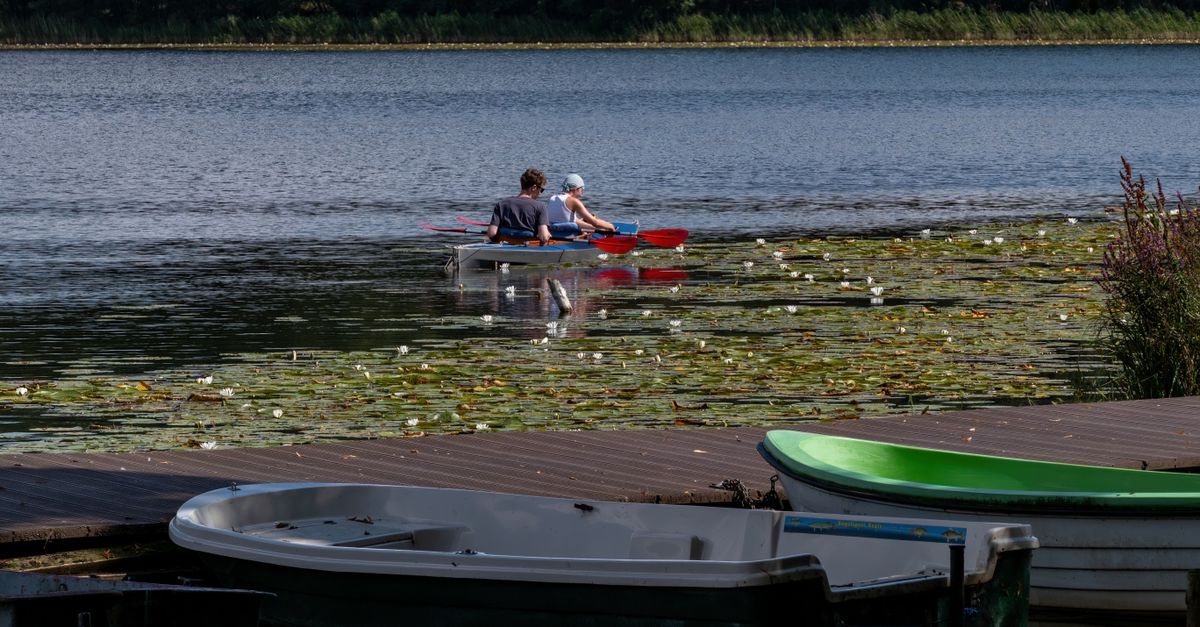
Stand at the edge of the T.C. Rice Natural Area on a weekday morning and the noise of I-35E is close enough to remind you how thoroughly this slice of North Texas has been claimed by development. Then a great blue heron lifts off the water and you remember why 258 acres of undeveloped land sitting just east of that interstate matters so much to the people who live near it. It is not a polished park with manicured lawns and a splash pad. It is something rarer in a first-ring suburb pushing toward buildout: raw, breathing land that the city has formally committed to improving.
That commitment is now spelled out in Carrollton’s adopted Parks and Recreation Master Plan, and this summer the priorities it sets are moving from a planning document into the lived experience of the city. For longtime residents and newcomers alike, the plan represents a deliberate answer to a question that quiet neighborhoods and crowded soccer fields have been asking for years: what does Carrollton want its outdoor life to look like as the city matures?
The Two Natural Areas at the Center of It All
The master plan singles out two properties as among the highest-priority targets for natural area improvements: Elm Fork Nature Preserve at 2335 Sandy Lake Road and the T.C. Rice Natural Area east of I-35E. Together they anchor a vision for Carrollton that goes beyond the standard suburban parks formula of turf, a pavilion, and a playground.
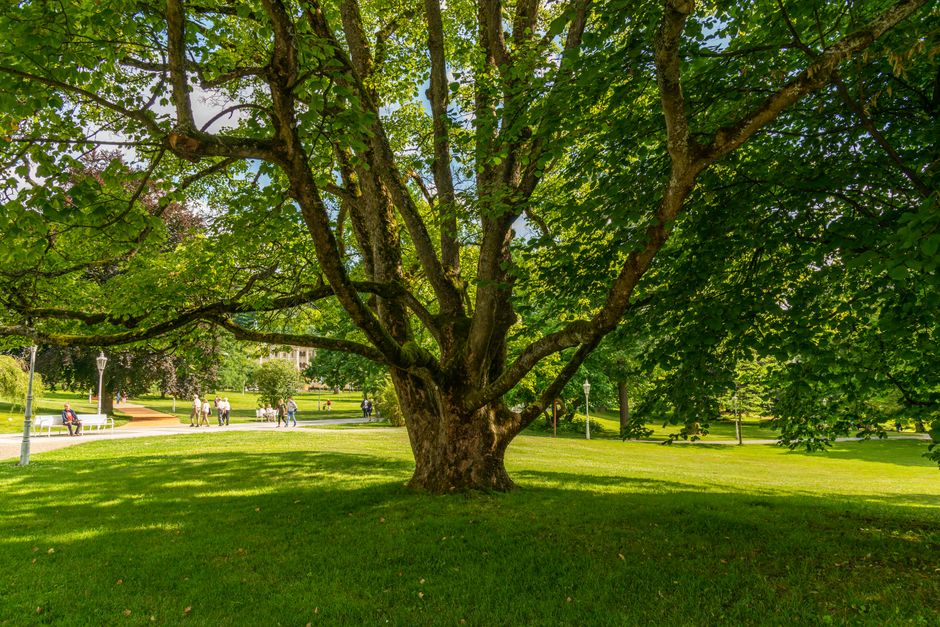
Elm Fork is already familiar to the residents who bird-watch along its edges or run its existing paths on weekend mornings. The preserve follows the Elm Fork Trinity River corridor, and its name alone signals what the city has always understood about it: this is a place defined by its ecology, not just its acreage. The master plan’s focus on improvements there suggests the city intends to make that ecological identity more accessible, more connected, and more durably protected.
The T.C. Rice Natural Area is the bigger story in terms of raw potential. Two hundred fifty-eight undeveloped acres is a number that stops most urban planners mid-sentence. Inside the Dallas-Fort Worth metroplex, where developable land long ago became a finite and expensive commodity, holding that much open space and choosing not to sell it off is itself a kind of civic statement. The master plan treats T.C. Rice as an asset to be unlocked rather than a liability to be managed, with natural area improvements listed as a priority investment.
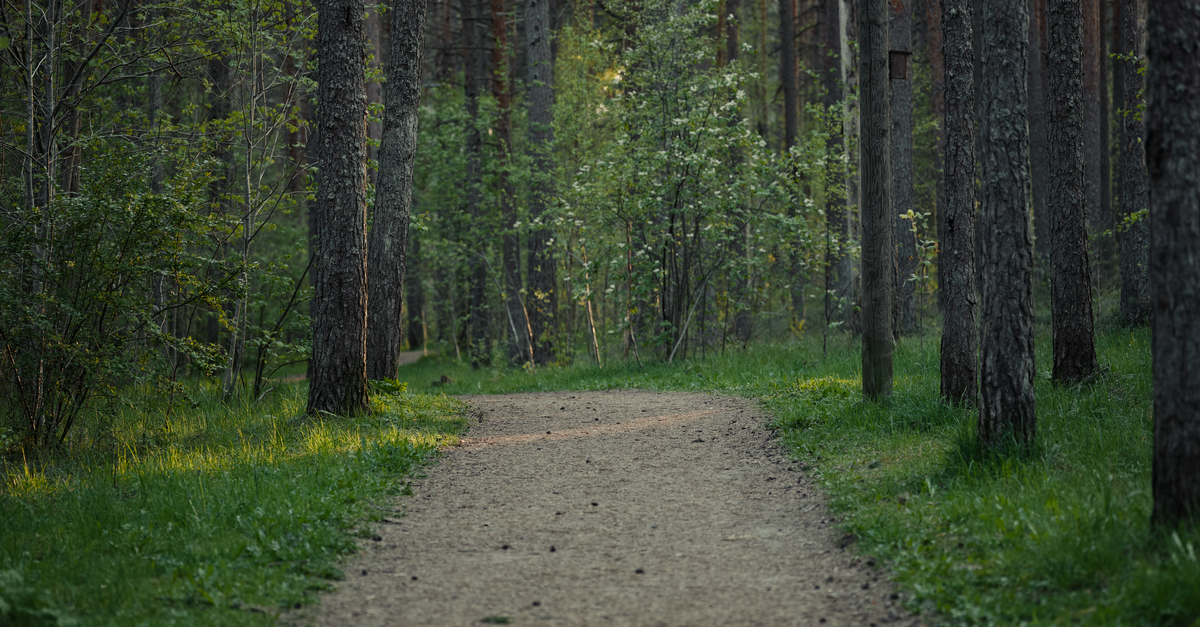
What those improvements look like in practice — restored native plantings, better trail surfaces, interpretive signage, improved parking access — will unfold over time, but the policy direction is set.
Trails as Infrastructure
One of the quietest but most consequential elements of the master plan is its emphasis on new trail connections. Carrollton already has a network of hike-and-bike paths, but like most suburban trail systems it has gaps — places where a cyclist or pedestrian reaches the end of a marked path and finds nothing but a curb cut and a busy arterial.
The plan identifies closing those gaps as a priority. That framing matters because it treats trails not as amenities bolted onto the edge of a parks budget, but as infrastructure with the same connective logic as roads or sidewalks. A trail that links Elm Fork to a neighborhood to the north, or that gives a commuter on a bike a safe corridor from a residential street to a transit stop, is a different kind of investment than a scenic loop that begins and ends in the same parking lot.
For Carrollton, where the grid of older neighborhoods meets newer mixed-use development along corridors like Old Denton Road and the Bush Turnpike frontage, the potential for meaningful trail connectivity is real. The master plan’s priority language gives Parks and Recreation staff a mandate to pursue those connections when land acquisition or capital project windows open.
Pickleball: A Program Looking for More Courts
If the natural area investments are the long-horizon work of the master plan, pickleball courts represent the part that residents are asking about right now at city council meetings and parks board sessions in cities across the country. Carrollton is no different.
The sport has arrived in force on the city’s recreation landscape, and the master plan lists additional pickleball courts among its highest-priority items. That priority did not emerge from a planner’s spreadsheet. It reflects the volume of demand the Carrollton Parks and Recreation Department has fielded from residents who want dedicated, purpose-built courts rather than tennis courts fitted with temporary tape lines.
The department is already meeting some of that demand through programming. An Introduction to Pickleball course offered through Parks and Recreation this summer walks new players through the basics: rules, terminology, primary skills, and the social rhythms of a sport that has become as much about community as competition. For residents who have watched their neighbors take up the game and wondered what the fuss is about, the class is a low-stakes entry point. For the city’s planners, the enrollment numbers for courses like that one are a data point that reinforces the case for new court construction.
Why a Master Plan Matters More Than It Sounds
Master plans accumulate a certain amount of skepticism in communities that have watched them gather dust on a shelf. Carrollton’s parks version is worth taking seriously for a reason that has less to do with its contents than with its timing. The city is at an inflection point familiar to suburbs of its generation: most of the easy development is done, the remaining open land is scarce, and the decisions made in the next decade about how to use what is left will shape the city’s quality of life well into mid-century.
A parks master plan adopted before that land disappears gives the city a documented basis for saying no to competing uses. It also gives residents a shared vocabulary for what they want from their green spaces — not just more of the same, but a more connected, more ecologically grounded, more programmatically varied park system.
The Elm Fork Nature Preserve and T.C. Rice Natural Area improvements are not just park projects. They are a hedge against the kind of suburban landscape where every undeveloped acre eventually becomes another retail pad or apartment complex because no one ever wrote down, in an adopted policy document, that the land should stay wild.
A City That Takes Its Open Space Seriously
On a June morning in 2026, the work of implementing all of this is still largely ahead of Carrollton. Trail gaps remain. The new pickleball courts are on a priority list, not yet on the ground. T.C. Rice’s 258 acres are still more potential than finished park.
But the framework is in place, and for a city that has spent the last several decades watching its open land inventory shrink, having that framework matters. Residents who show up to use the Elm Fork trails, sign up for a pickleball class, or simply drive past T.C. Rice on a Saturday afternoon are participating, knowingly or not, in a city making a deliberate choice about what kind of place it wants to be.
That choice, written into the adopted Parks and Recreation Master Plan, is that Carrollton’s outdoor life is worth investing in — not someday, but as a standing priority, visible in the budget and on the trail map, summer after summer.